
Building Information Modeling (BIM)
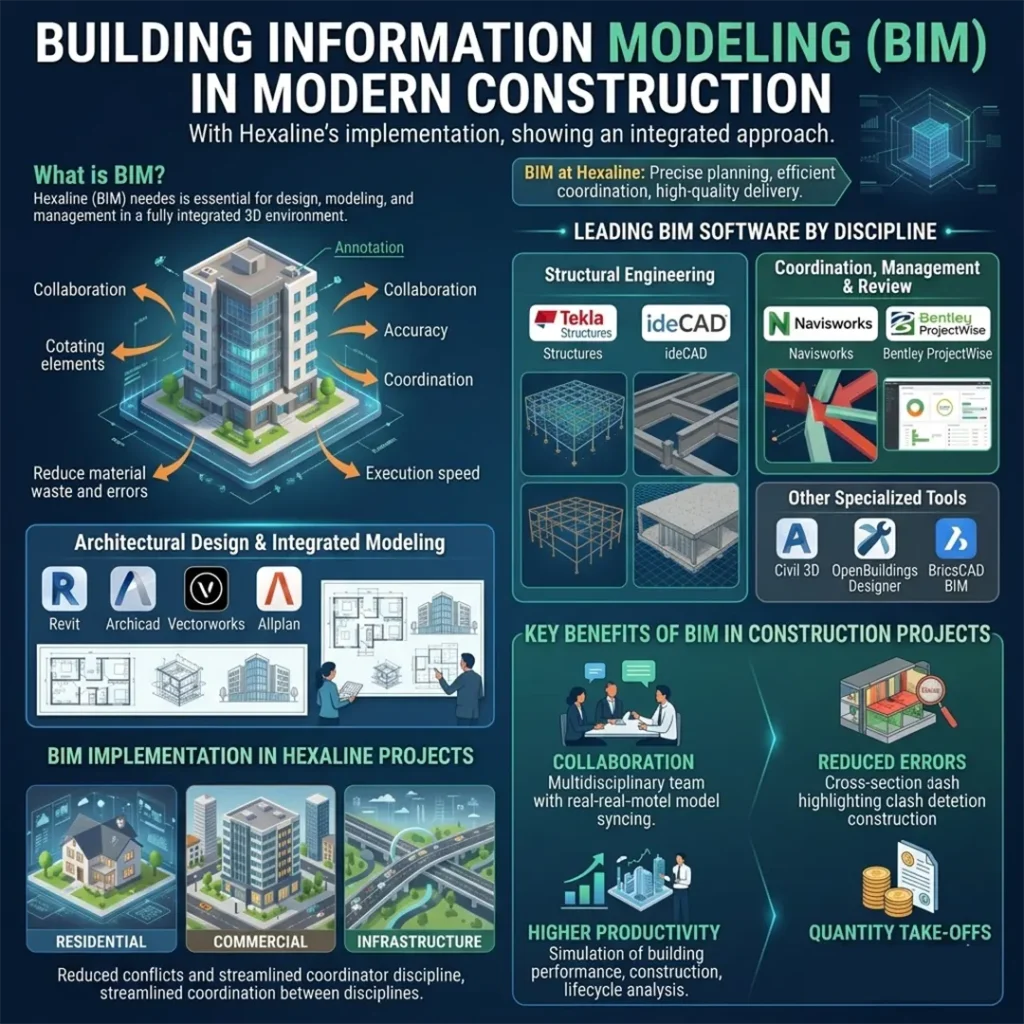
Building Information Modeling (BIM) software has become essential for designing, modeling, and managing construction projects in 3D. These tools enable collaboration between architects, structural engineers, and MEP engineers, improving coordination throughout the project lifecycle.
Some of the most widely used BIM software includes Autodesk Revit, Archicad, Tekla Structures, and Navisworks, which help increase execution speed, improve accuracy, and reduce construction losses through clash detection and integrated project data.
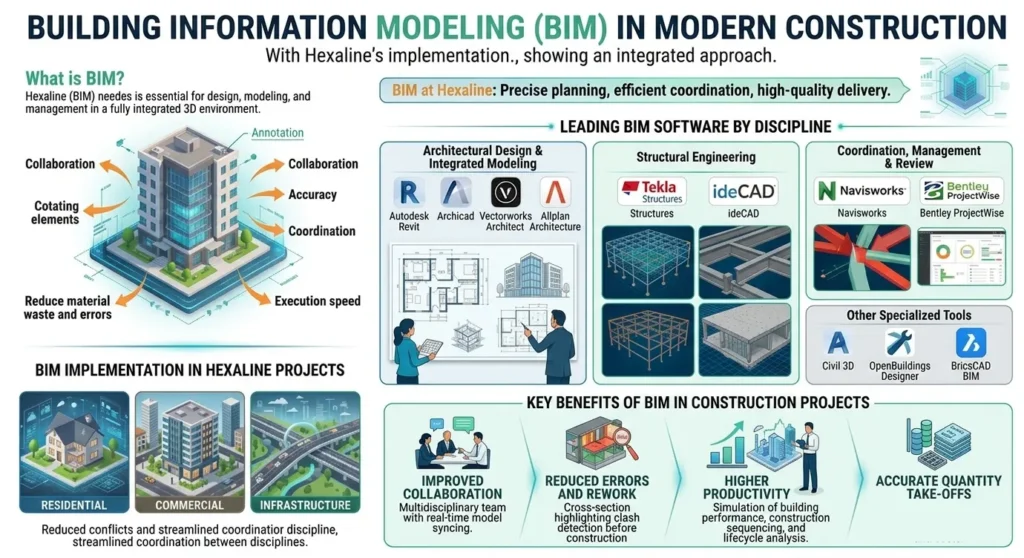
Major BIM Software by Discipline
Architectural Design and Comprehensive Modeling
- Autodesk Revit: One of the most popular BIM platforms for building design and multidisciplinary data coordination.
- Archicad: A leading BIM software known for its user-friendly interface, especially for architects.
- Vectorworks Architect: Combines 2D drafting and 3D modeling in a single platform.
- Allplan Architecture: Focuses on detailed architectural design and documentation.
Structural Engineering
- Tekla Structures: Specialized in precise structural modeling and detailed steel and concrete fabrication drawings.
- ideCAD: An integrated solution that combines architectural and structural design in one environment.
Coordination, Management, and Review
- Navisworks: A powerful tool for clash detection and coordination of models created in different BIM software.
- Bentley ProjectWise: A platform used for managing engineering project data and documentation efficiently.
Other Specialized BIM Software
- Civil 3D: Designed for infrastructure and civil engineering projects such as roads, grading, and utilities.
- OpenBuildings Designer: Used for designing mechanical, electrical, and plumbing (MEP) systems.
- BricsCAD BIM: Uses AI-based tools to convert 3D models into intelligent BIM models.
Benefits of Using BIM Software
- Improved Collaboration: Enhances coordination between different design and engineering teams.
- Reduced Errors: Detects clashes and design conflicts before construction begins.
- Higher Productivity: Enables simulation of building performance and lifecycle planning.
- Accurate Quantity Takeoffs: Generates precise material quantities and schedules directly from the model.
Our Services
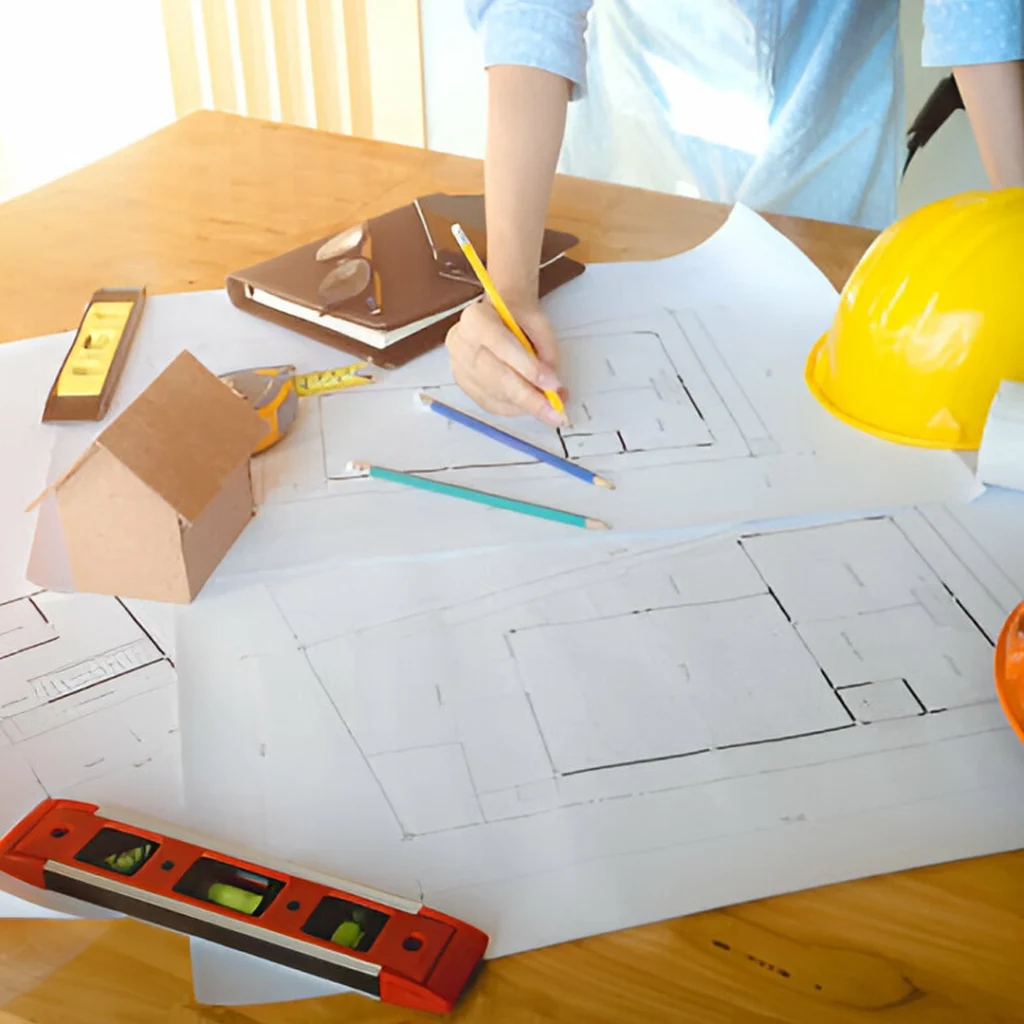
Engineering Design Services

Licensing Services

Supervision Services
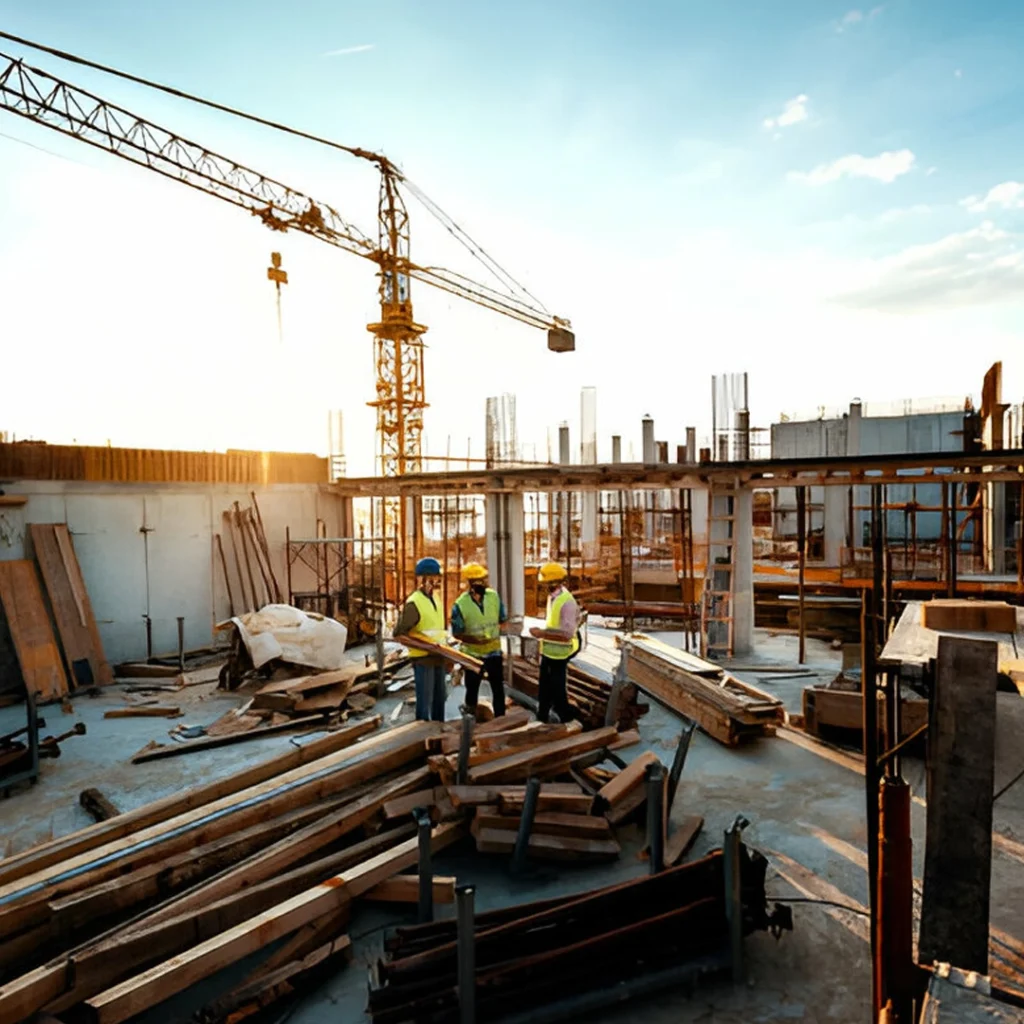
Design and Development
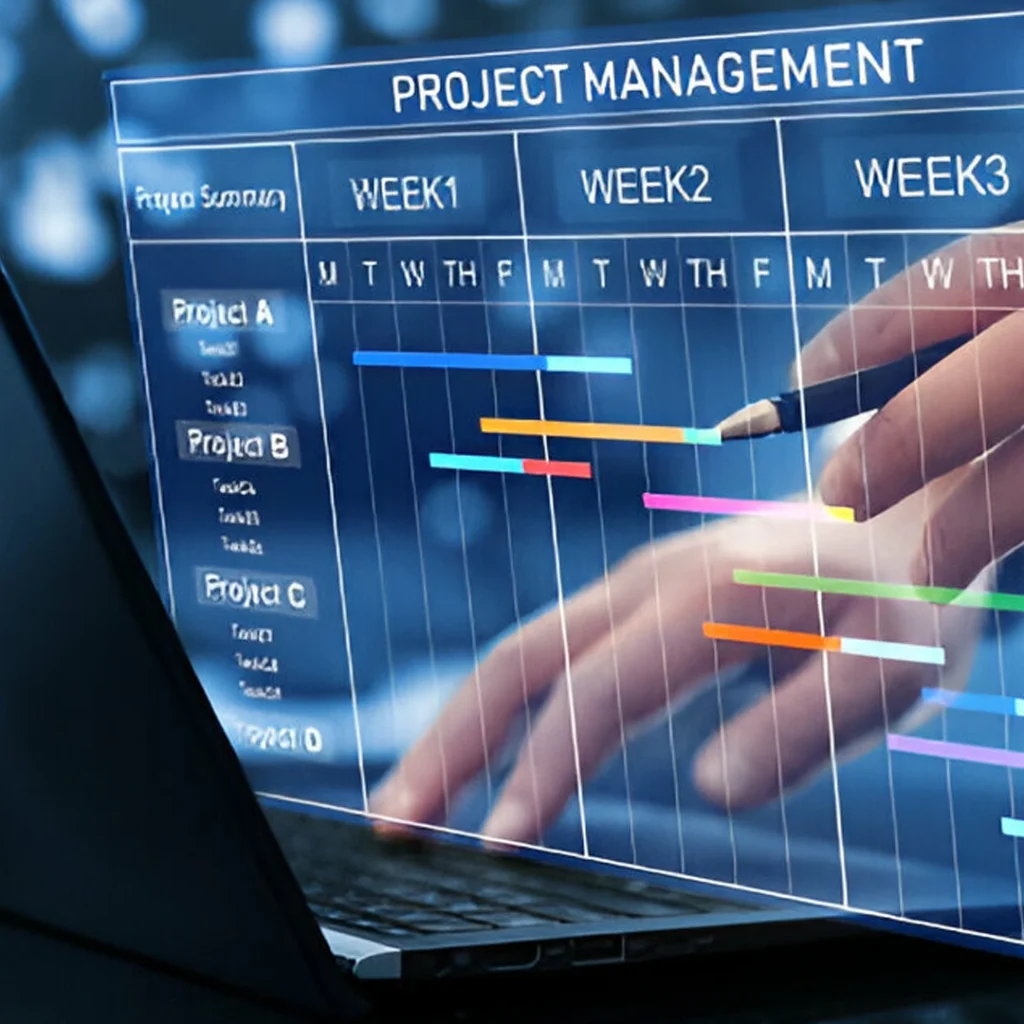
Project Management
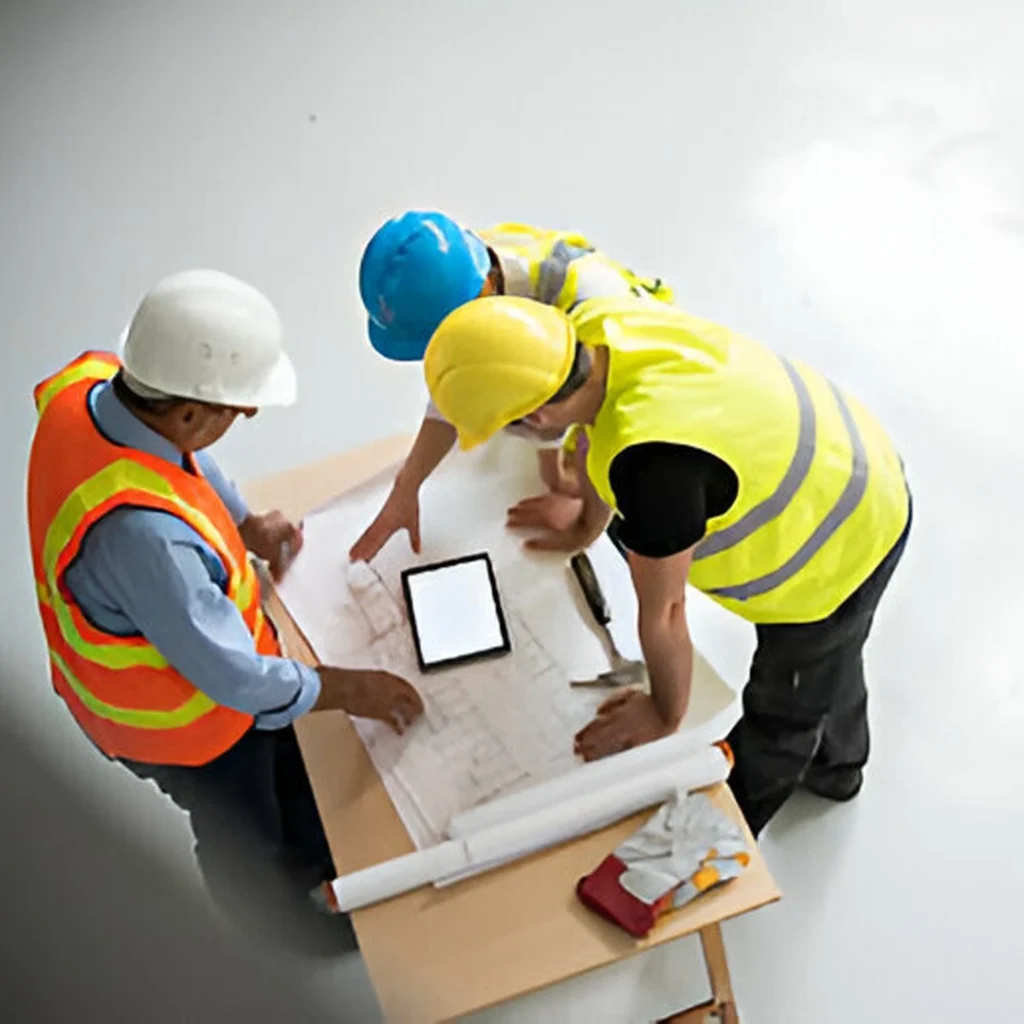
Project Supervision

Sorting real estate units

Urban planning

Urban planning and environmental architecture
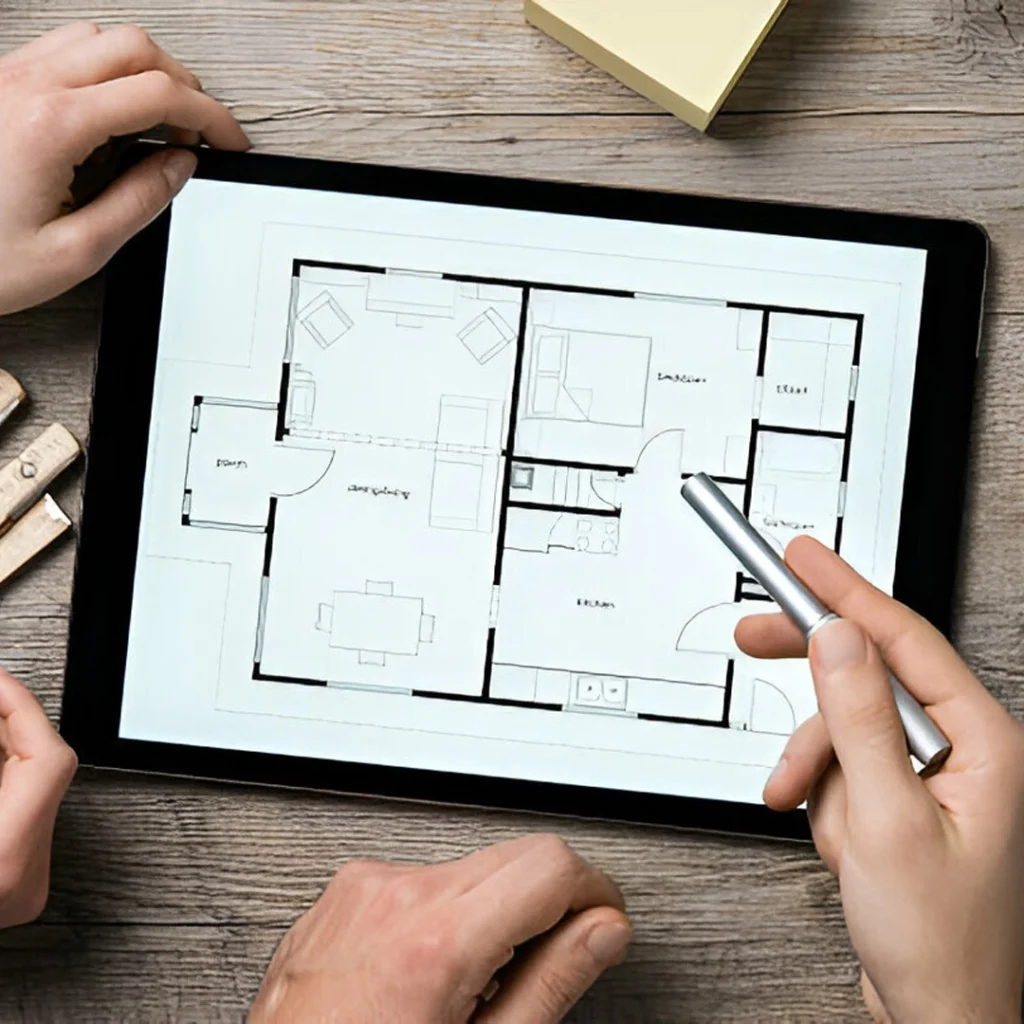
Interior Design